© 2010—2026 Climate Resource. All rights reserved.

Models and Data

Climate Resource makes climate science usable for real-world decisions.

We help governments, multinational organisations, businesses, and communities understand risks and opportunities as the world decarbonises and responds to climate change.

Our models and data are widely used by the global science community and IPCC processes. We use these to provide clear, trustworthy insights - supporting action on climate change from the global stage to the local level.
Historical emissions

Emissions projections

Sectoral decarbonisation pathways

Assessment of warming implications

Earth System Model input datasets

Earth System Model evaluation

Regional climate impacts

PRIMAP-hist

Historical emissions for all countries

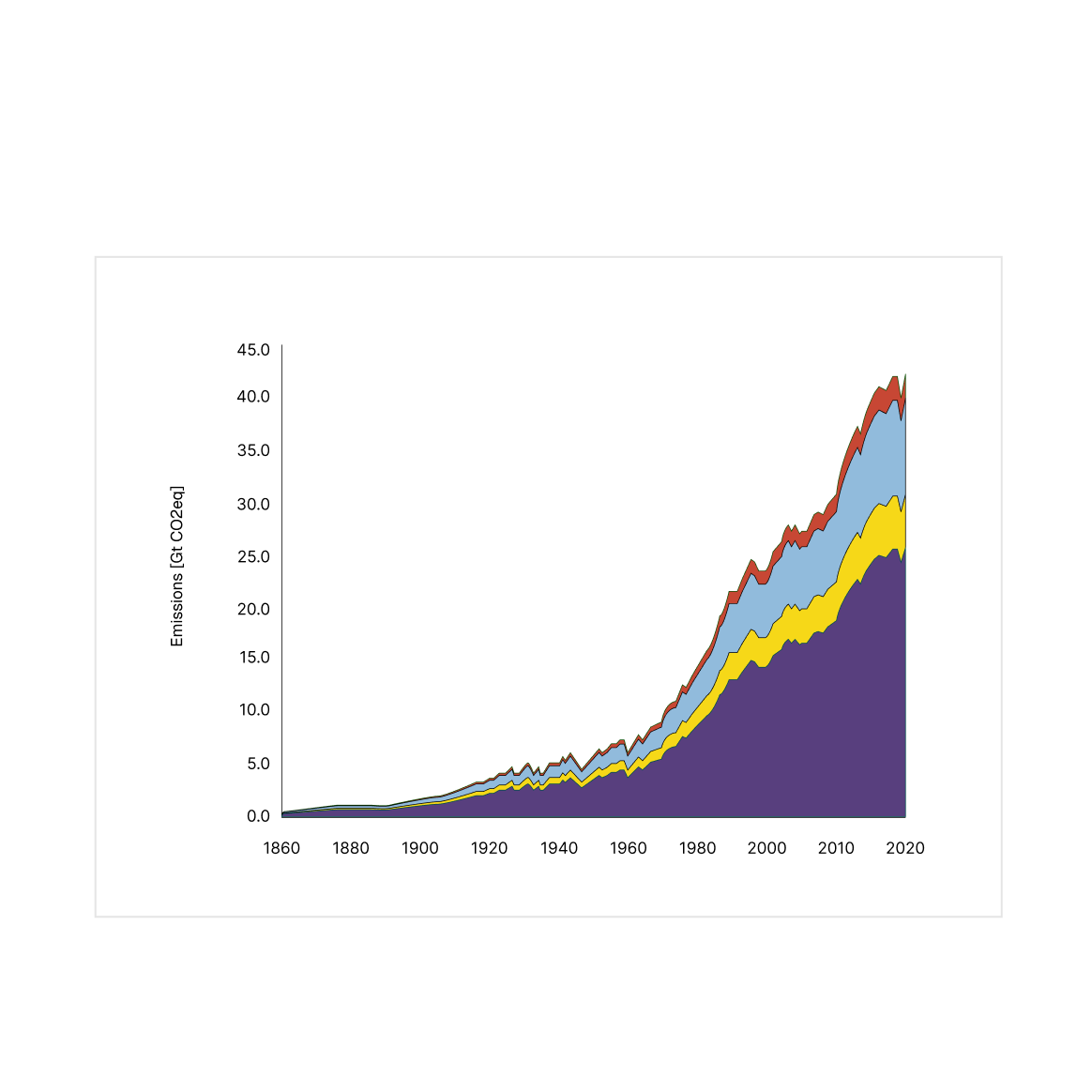
PRIMAP-hist is a widely cited source of historical emissions data, used by the Intergovernmental Panel on Climate Change and broader global climate science and policy communities for many years. It is also increasingly used by the financial sector to track emissions attributable to sovereign debt. It is a comprehensive set of greenhouse gas emission pathways for every country and Kyoto gas covering the years from 1750 to 2024.

NDC Quantification

Projected emissions for all countries

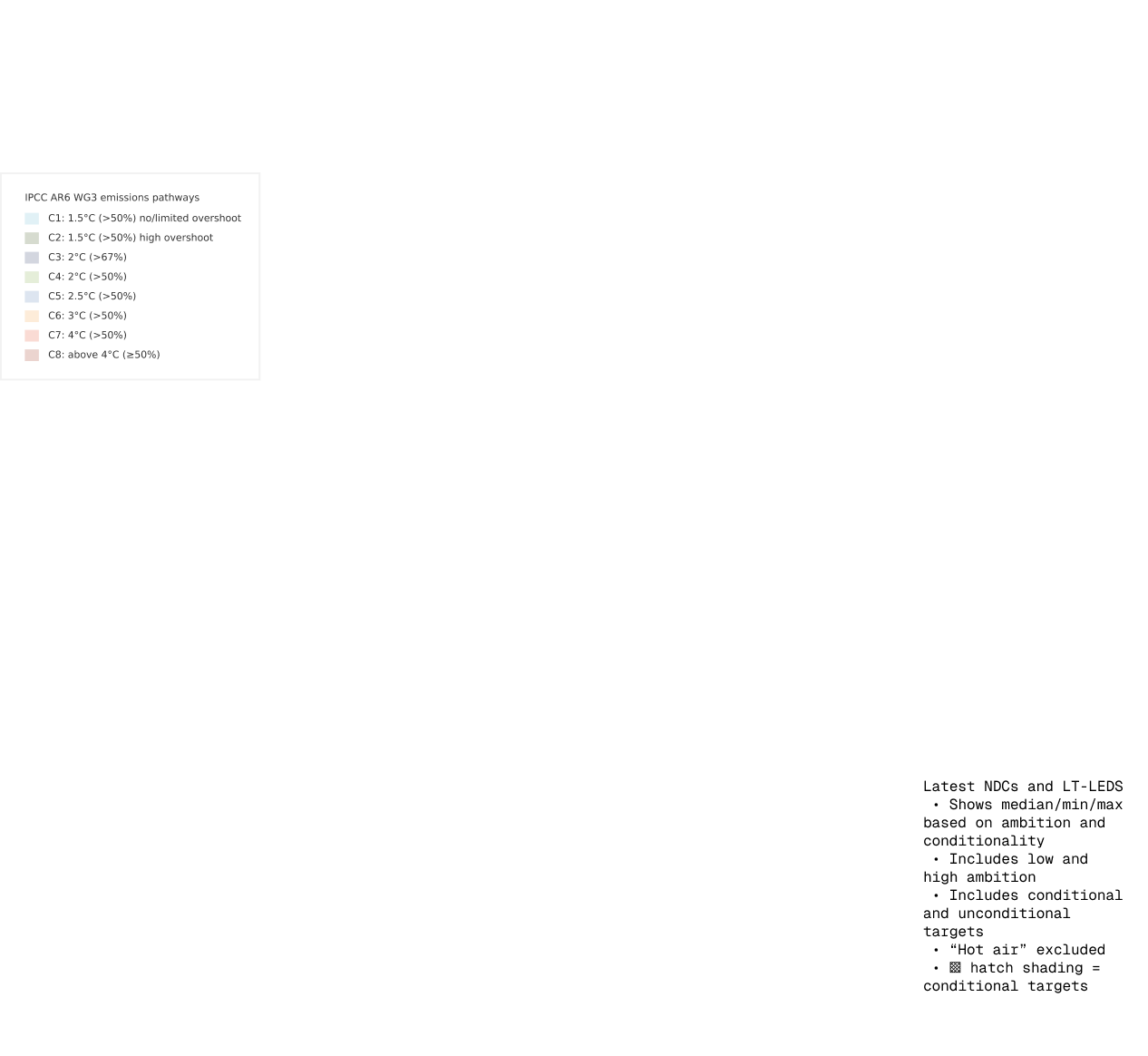
We develop and maintain a dataset of emissions from 1990 to 2050 for 196 countries. It reflects nationally determined contributions (NDCs) and long-term low emissions development strategies (LT-LEDS). It is the most comprehensive quantification of commitments available, and is used by the climate research and policy communities and financial institutions.

Decarbonisation Futures

Sectoral decarbonisation pathways that limit warming to a specified level, such as 1.5°C

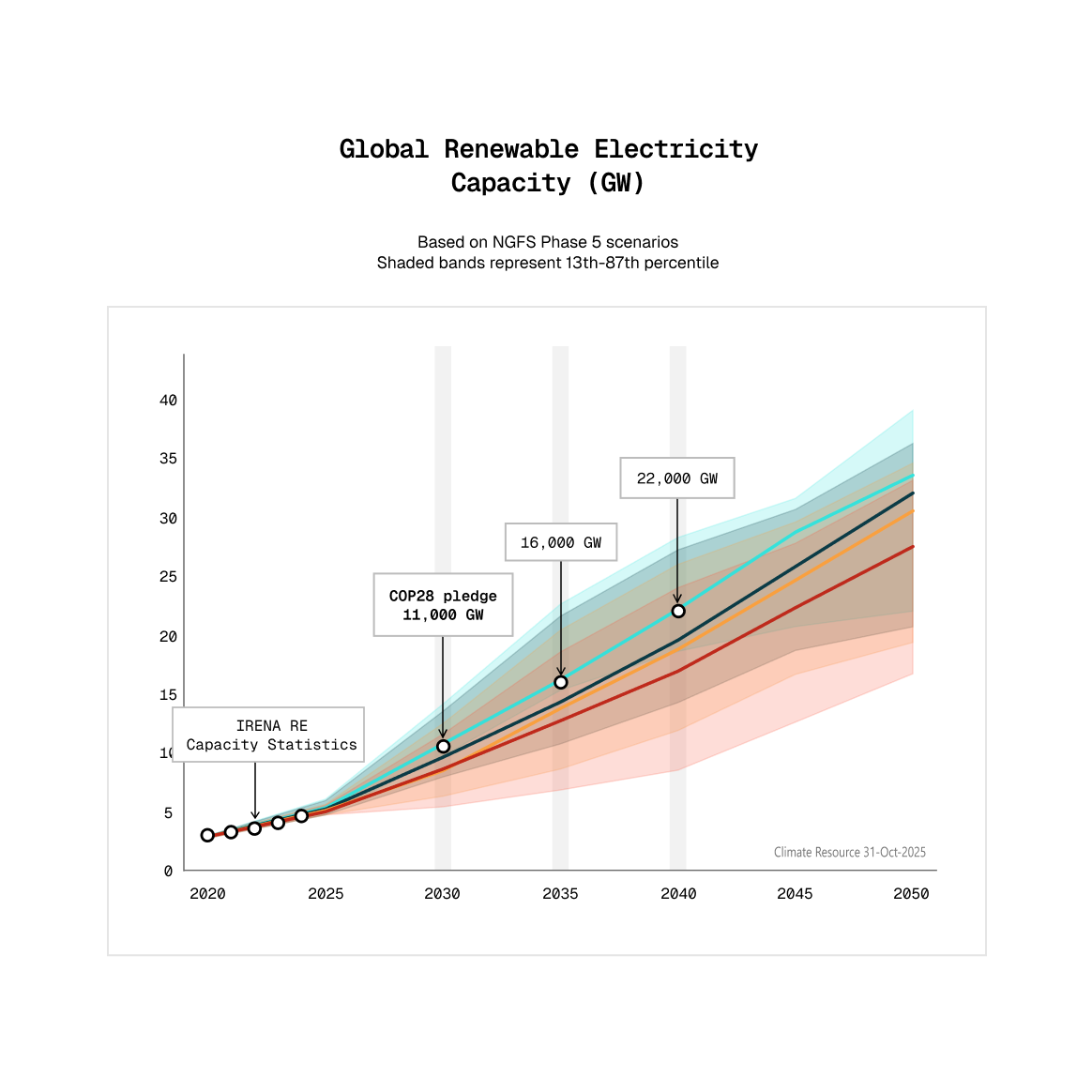
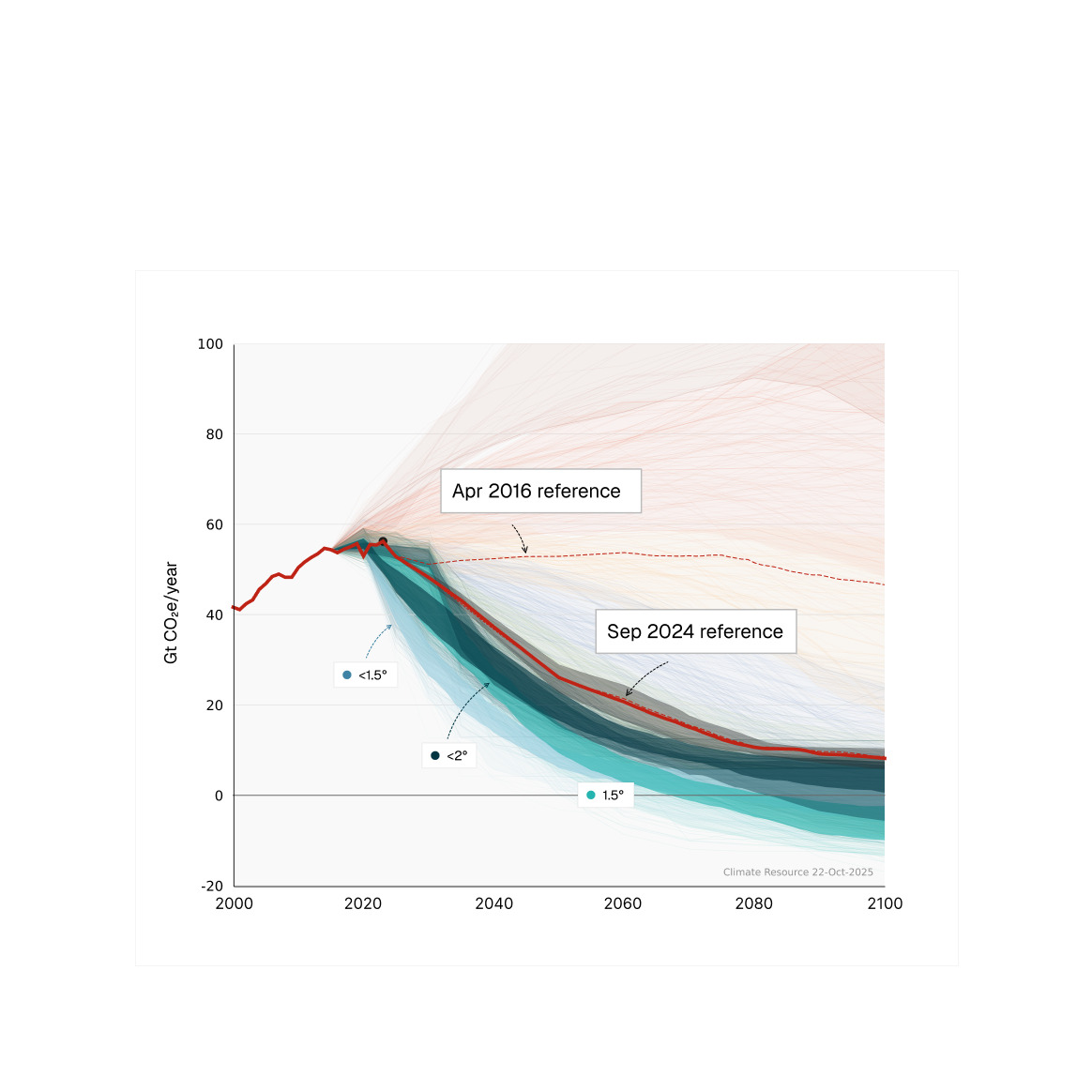
We develop pathways that provide a global roadmap of sectoral transitions consistent with achieving warming limits. We translate these into actionable pathways at the national and sectoral levels. Our sectoral decarbonisation pathways are built from scenario ensembles reported by global models, combined with country-specific and sectoral models. These provide a map of changes in the physical economy that limit warming to a specified level, such as 1.5°C or 2°C.

We focus on pathways for the phase-out of fossil fuels and the phase-in of clean technologies in the energy sector and energy-intensive sectors in major economies. We turn these pathways into policy and investment insights to inform action.

MAGICC

Model for the Assessment of Greenhouse Gas Induced Climate Change

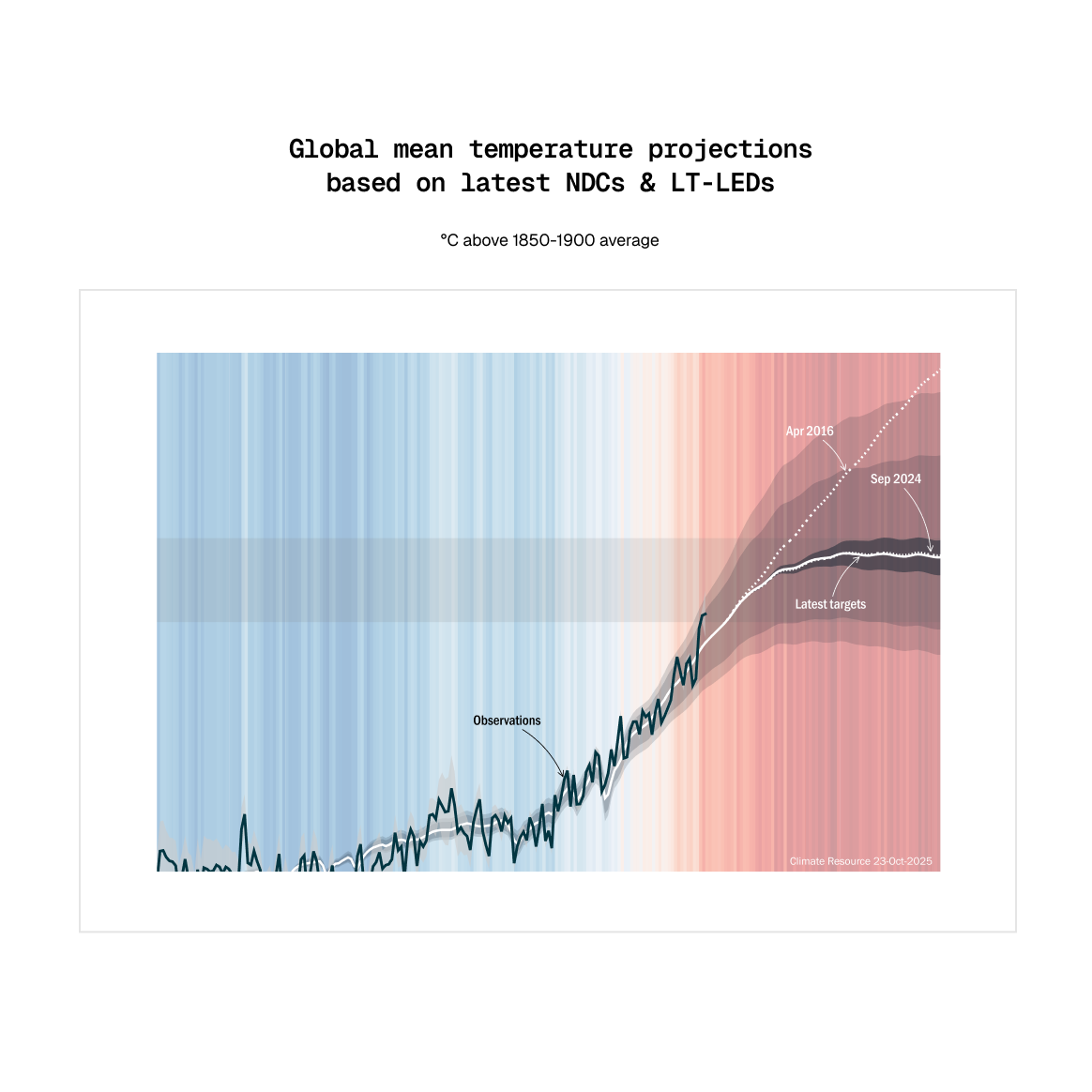
MAGICC translates emissions into global mean temperature rise. It is one of the most widely used reduced-complexity climate models in climate science research and policy over the past 30 years, and underpins assessments by the Intergovernmental Panel on Climate Change.

Our staff are the lead developers of MAGICC. We build interfaces to support other organisations to access and use MAGICC with appropriate inputs and configurations. These interfaces enable organisations to evaluate the warming implied by energy transition scenarios, or alternatively assess what warming we might see if countries meet their targets, or follow a different emissions pathway.

ESM Input Data

Gridded greenhouse gas concentration data sets from ground based and satellite observations

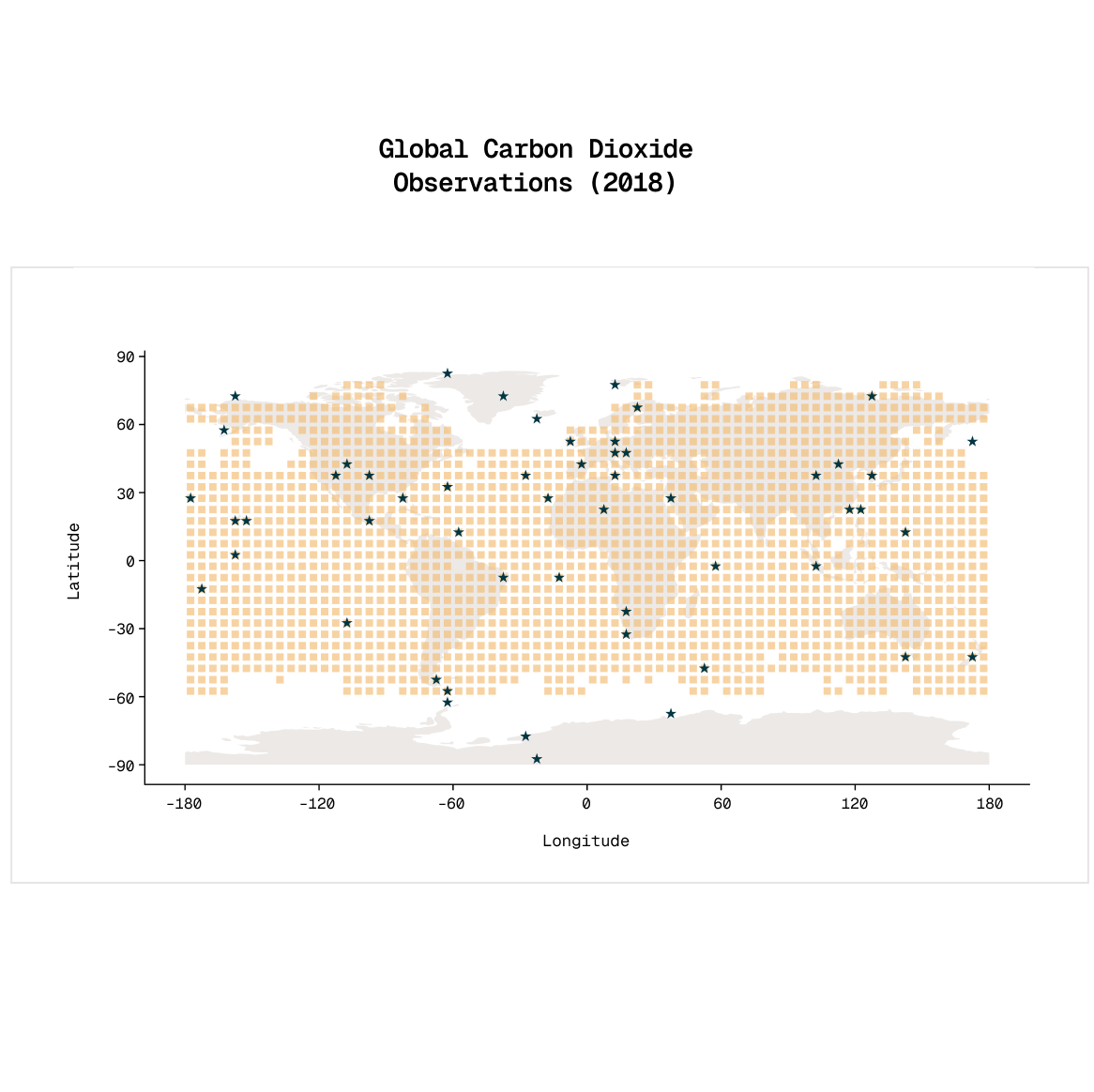
We build spatially gridded datasets for use in climate models participating in the Coupled Model Intercomparison Project and related experiments, many of which will support the Intergovernmental Panel on Climate Change's upcoming seventh assessment report. We use ground-based observations from multiple datasets, and satellite-based Earth observations.

ESM Evaluation

Benchmarking climate models contributing to the World Climate Research Program's CMIP7

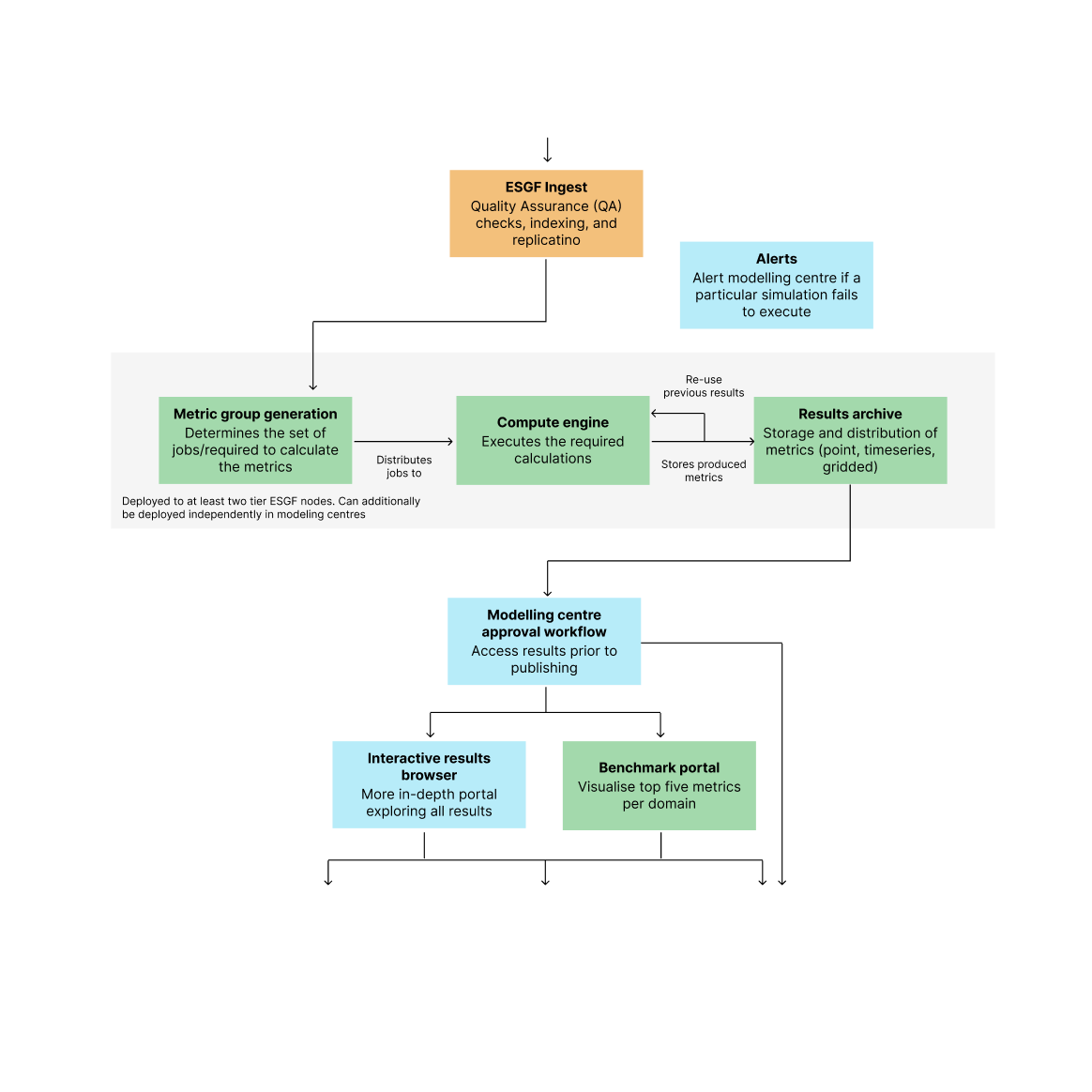
As the global science community prepares for the Intergovernmental Panel on Climate Change's upcoming seventh assessment report, we are leading work to develop the methods and software for a Rapid Evaluation Framework to benchmark the earth system models contributing to Coupled Model Intercomparison Project (CMIP7). The CMIP7 Rapid Evaluation Framework enables users to explore and visualise climate model evaluation diagnostics across different Earth system components and scientific themes.

Regional Impacts

Regional climate impacts

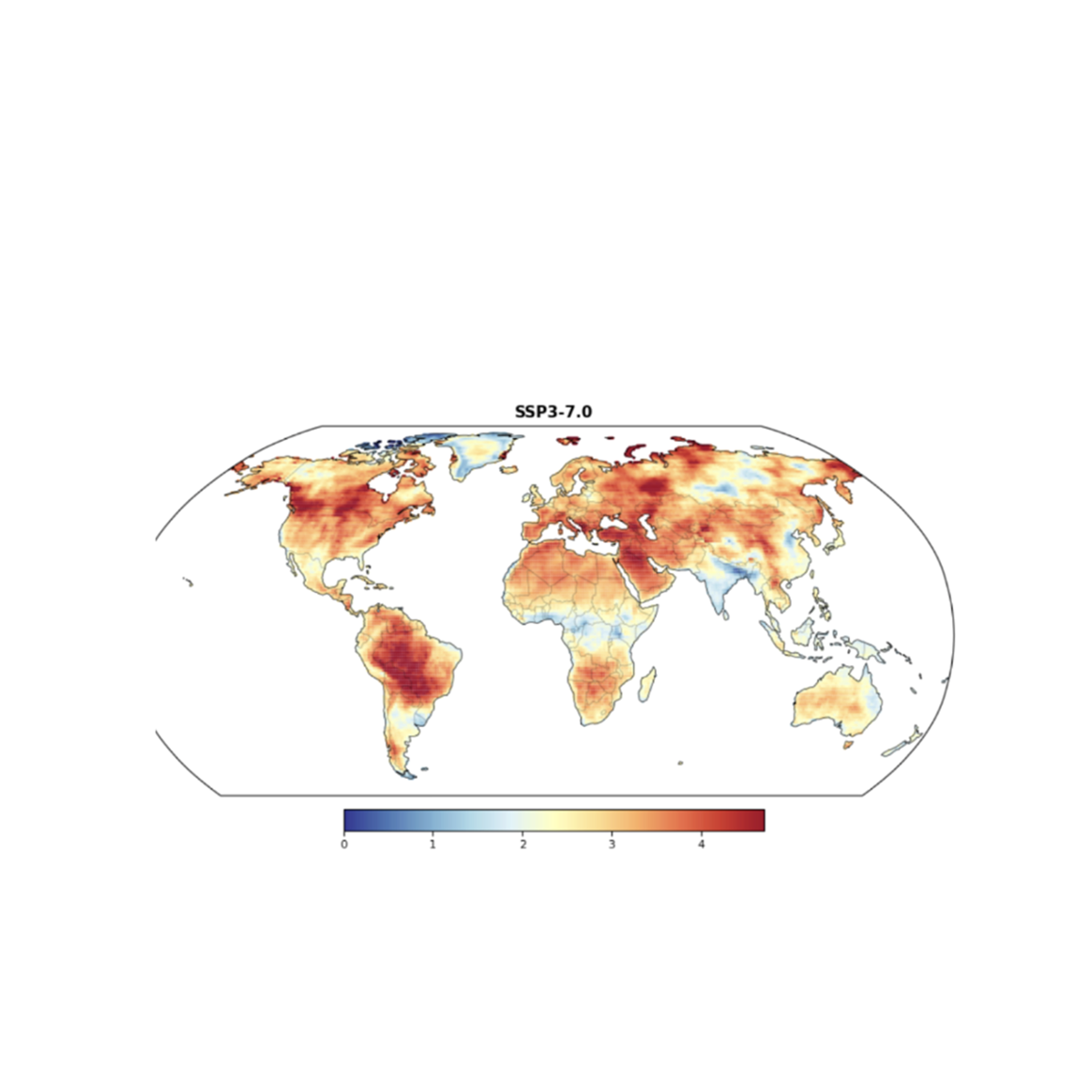
We provide credible assessments of regional climate hazards under relevant warming scenarios. We use the best available science. Our regional climate impacts are derived using MAGICC, outputs from the Coupled Model Intercomparison Project, and an implementation of methods underpinning MESMER-X (a statistical climate model used to generate local, high-resolution climate projections from global climate model outputs).

This enables investment and adaptation planning and policy to respond to risk in a changing climate. We work with energy market modellers and multilateral organisations to provide regional climate impacts most relevant to system reliability and performance at the appropriate spatial resolution.